

In today’s fast-paced world, balancing work and personal life can feel like walking a tightrope. For working professionals, maintaining fitness often takes a backseat to deadlines, meetings, and long commutes. However, staying active and healthy is crucial not only for physical well-being but also for mental sharpness, productivity, and overall life satisfaction. With a few smart strategies, working professionals can seamlessly incorporate fitness into their busy schedules.
1. Prioritize Consistency Over Intensity
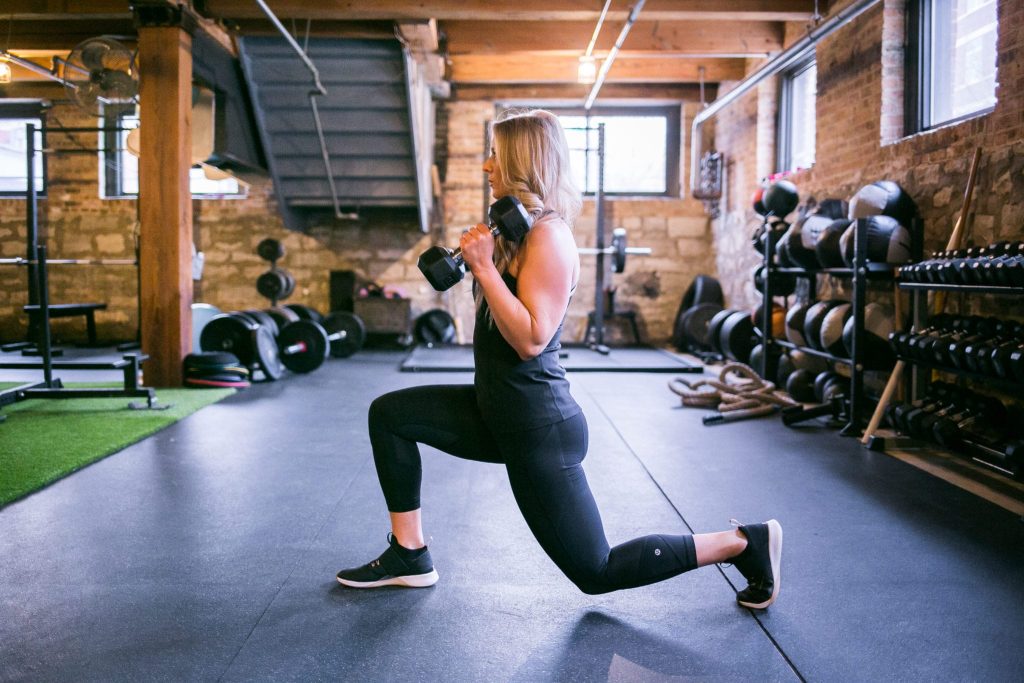
Many professionals think they need hours in the gym to see results, but consistency matters more than intensity. Short, regular workouts—even 20 to 30 minutes a day—can be highly effective. Activities like brisk walking, cycling, or bodyweight exercises can be easily slotted into a lunch break or early morning routine. The key is to create a routine and stick to it, making fitness a non-negotiable part of your day.
2. Take Advantage of Micro-Workouts
When long workout sessions aren’t feasible, micro-workouts can save the day. These are short bursts of exercise that can be done anywhere, anytime. For instance, doing squats, lunges, push-ups, or desk stretches every hour can boost circulation, improve posture, and burn calories. Even small steps—like taking the stairs instead of the elevator or walking to a colleague’s desk instead of emailing—add up over time.
3. Optimize Your Workstation for Health
Sitting for prolonged periods is one of the biggest health risks for office workers. A sedentary lifestyle can lead to weight gain, back pain, and reduced energy. Ergonomic chairs, standing desks, or even a balance ball chair can improve posture and engage muscles throughout the day. Alternating between sitting and standing every 30 to 60 minutes helps reduce strain and keeps your body active.
4. Make Nutrition Work for You

Fitness isn’t just about exercise; nutrition plays a pivotal role. Preparing balanced meals and healthy snacks ensures you have the energy to power through your workday without resorting to sugary or processed foods. Keep portable options like nuts, fruits, yogurt, or protein bars at hand. Hydration is equally crucial—aim for at least eight glasses of water daily to stay alert and prevent fatigue. Avoid skipping meals, as irregular eating can derail both energy levels and metabolism.
5. Schedule Fitness Like a Meeting
The professional world revolves around schedules, and treating workouts as important appointments can make a huge difference. Block your calendar for exercise sessions just as you would for client calls or team meetings. This approach not only makes fitness a priority but also helps prevent procrastination. Morning workouts often work best, as they kickstart metabolism and ensure you don’t skip exercise due to unexpected work demands.
6. Combine Cardio and Strength Training
For optimal results, combine cardiovascular exercises with strength training. Cardio—like running, cycling, or swimming—boosts heart health and burns calories, while strength training builds muscle, increases metabolism, and enhances posture. Incorporating both types of exercises into a weekly routine ensures a balanced approach to fitness. Even simple bodyweight exercises like push-ups, squats, or planks can be highly effective for strength development.
7. Incorporate Stress-Relief Activities

Work-related stress can negatively impact physical health, making stress management an essential part of any fitness plan. Activities like yoga, meditation, or deep-breathing exercises can reduce tension, improve focus, and enhance mental resilience. Even taking a short walk outside during breaks can boost mood, increase creativity, and promote overall well-being.
8. Make Social Fitness a Habit
Exercising with colleagues, friends, or family adds a social element that keeps motivation high. Whether it’s a lunchtime walk, a weekend hike, or a group fitness class, social workouts make exercise enjoyable and encourage accountability. Sharing goals and celebrating achievements together strengthens commitment and makes fitness a sustainable part of life.
9. Use Technology to Stay on Track
Fitness apps, wearable trackers, and online workout videos can be invaluable tools for busy professionals. They provide reminders, track progress, and offer guided routines tailored to your schedule and fitness level. Technology can help you stay consistent, measure results, and adjust routines as needed, making it easier to maintain a healthy lifestyle.
10. Listen to Your Body
Finally, fitness is a personal journey, and listening to your body is critical. Avoid overtraining or pushing through pain, as this can lead to injuries. Rest, recovery, and adequate sleep are just as important as active workouts. Aim for 7–8 hours of quality sleep per night to allow your body to repair and rejuvenate.
Conclusion
Staying fit as a working professional may seem challenging, but with the right mindset, planning, and strategies, it is entirely achievable. Prioritizing consistency, integrating short workouts, focusing on nutrition, and managing stress are all steps toward a healthier, more productive lifestyle. Remember, fitness is not a temporary goal but a long-term commitment to your well-being. Start small, stay consistent, and make wellness a natural part of your professional life—you’ll feel stronger, sharper, and more energized every day.
About the Author
